Reconstruct movement
Track a fish in stereo-video and recover its positions through time in three dimensions.
FISH BEHAVIOUR / FISHERIES BIOLOGY / ARTIFICIAL INTELLIGENCE
I’m Julian Lilkendey, a marine ecologist studying how fish move, feed, reproduce, and use their habitats. My work brings together fish behaviour, fisheries biology, and artificial intelligence to understand how marine life responds to environmental change.
Explore my researchMy Tagesschau interviewINFERRING FIELD METABOLIC RATES FROM MOVEMENT
Watch the fish alongside its 3D path. Track colour shows the estimated energy expenditure rate at each movement interval. Scrub to inspect a moment; drag the plot to explore in 3D.
TRACKED FISH / LEFT CAMERA
The yellow box follows the annotated fish. Annotations by Emily Steele · Read her MSc thesis (2024)
ESTIMATED ENERGY EXPENDITURE RATE
—mWWaiting for tracking
Lower to higher estimated rate · logarithmic colour scale · grey = no valid estimate
Same fish, same clock · 200 positions · coordinates relative to the first observation (cm). The plot follows the video after its one-second lead-in. Grey marks positions without a valid metabolic estimate.
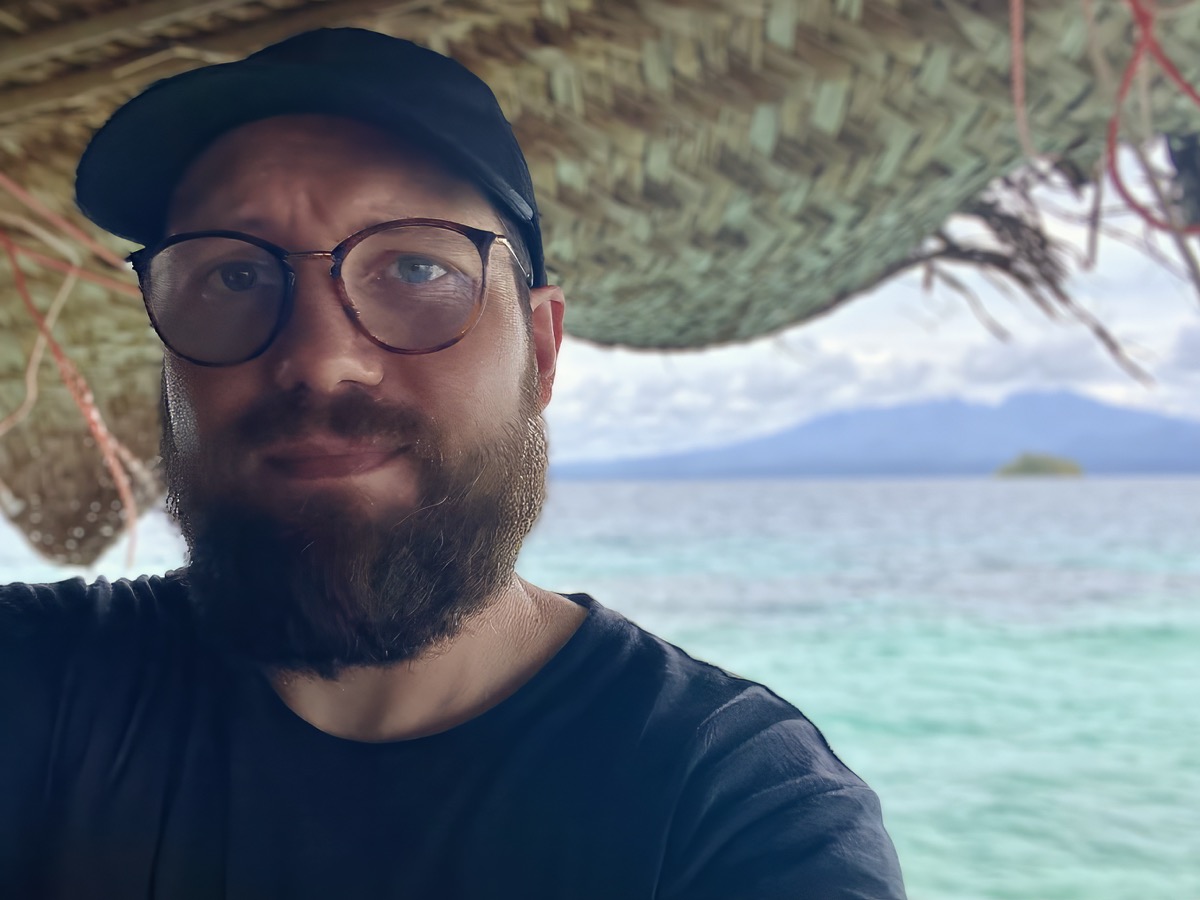
THE PERSON BEHIND THE PROJECTS
From feeding and reproduction to the chemical histories preserved in otoliths, my work connects a fish’s daily life with centuries of human–marine change.
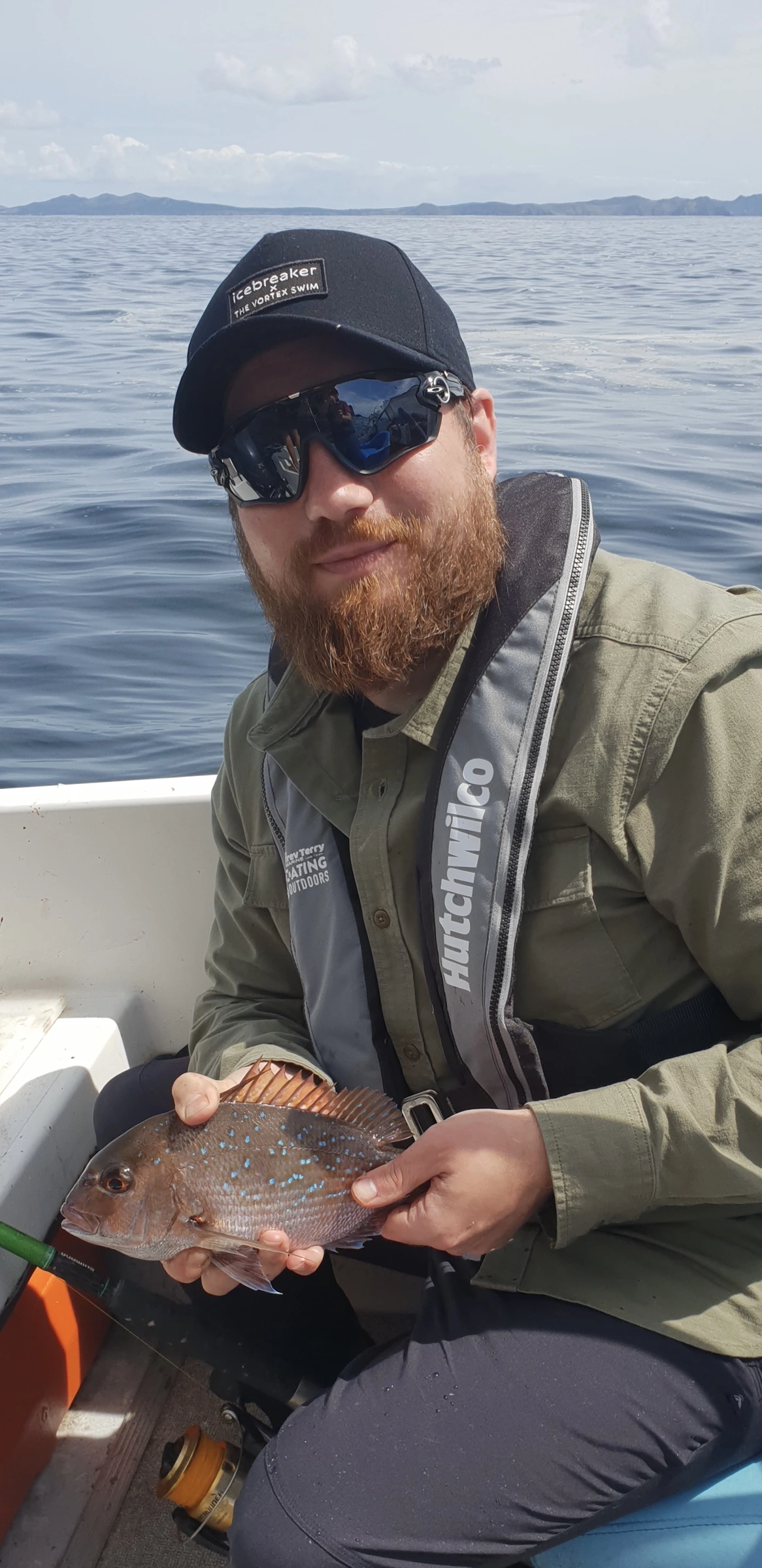
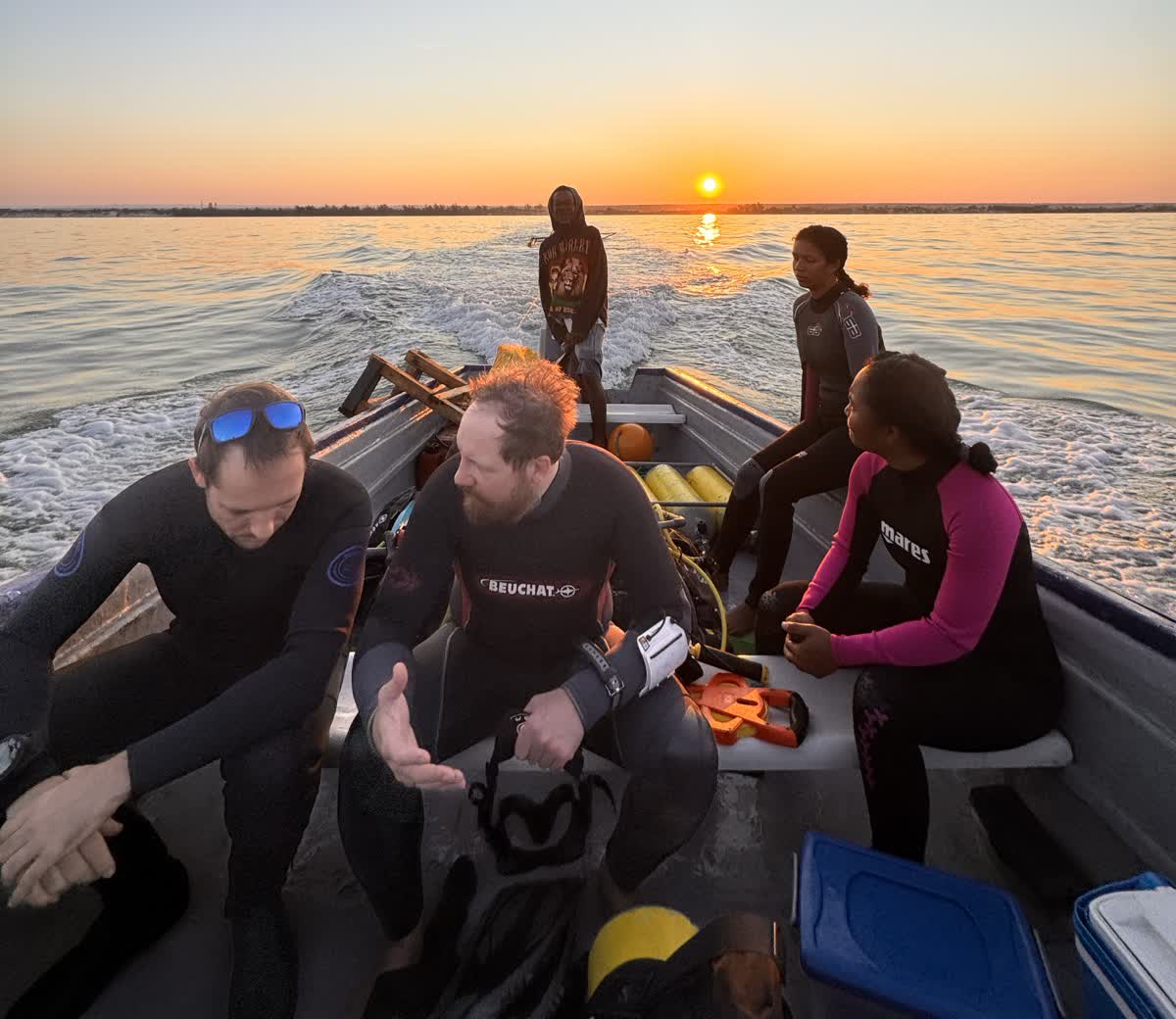
Fieldwork brings me together with researchers and coastal communities across the tropics and Aotearoa New Zealand. We combine ecological observations with local knowledge to investigate changing habitats and questions that matter to the people who depend on them.
Explore my CVFEATURED INTERVIEW / TAGESSCHAU
Clicking the preview consents to loading this video from Google/YouTube. Your IP address and device data are shared; cookies or similar storage may be used and data may be processed in the USA. Optional. Privacy details.
My interview on working conditions in German academia and the uncertainty of fixed-term research careers.
Read the Tagesschau articleMy perspective on fixed-term contracts and the need for lasting careers in research.
Read the articleDPA / PUBLISHED BY SÜDDEUTSCHE ZEITUNGMy research uses AI to track reef fish in 3D, revealing foraging behaviour to help inform coral reef conservation.
Read the dpa reportFISH BEHAVIOUR / AI TRACKING
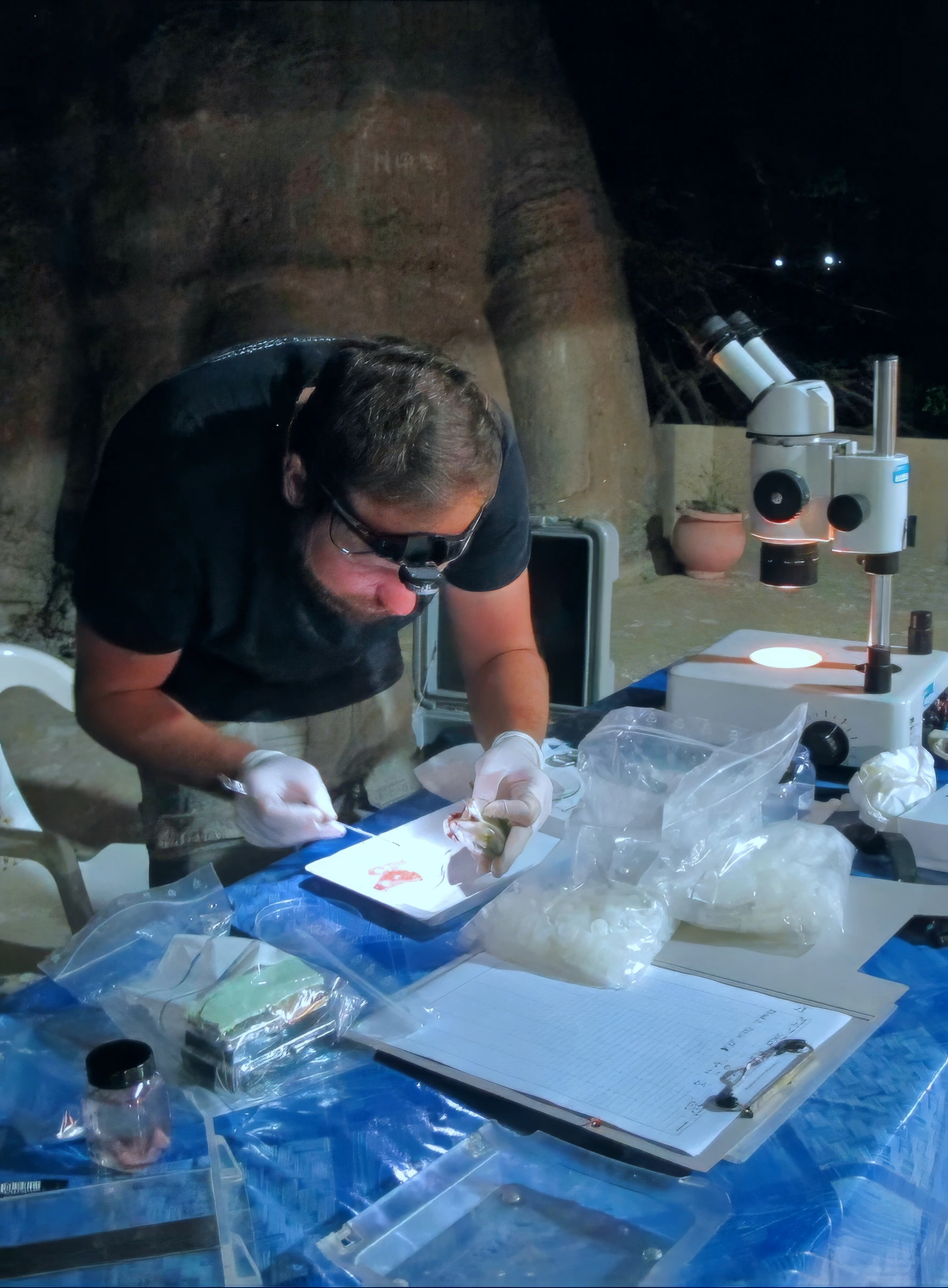
How do reef fish move, feed, and respond to changing environments? I combine underwater observations, AI tracking, and 3D trajectories to study fish behaviour, habitat use, and ecological function, connecting these insights with fisheries biology. Linking these observations with physiological models also helps estimate the energetic costs of life on the reef.
COMPUTER VISION / MOVEMENT ECOLOGY
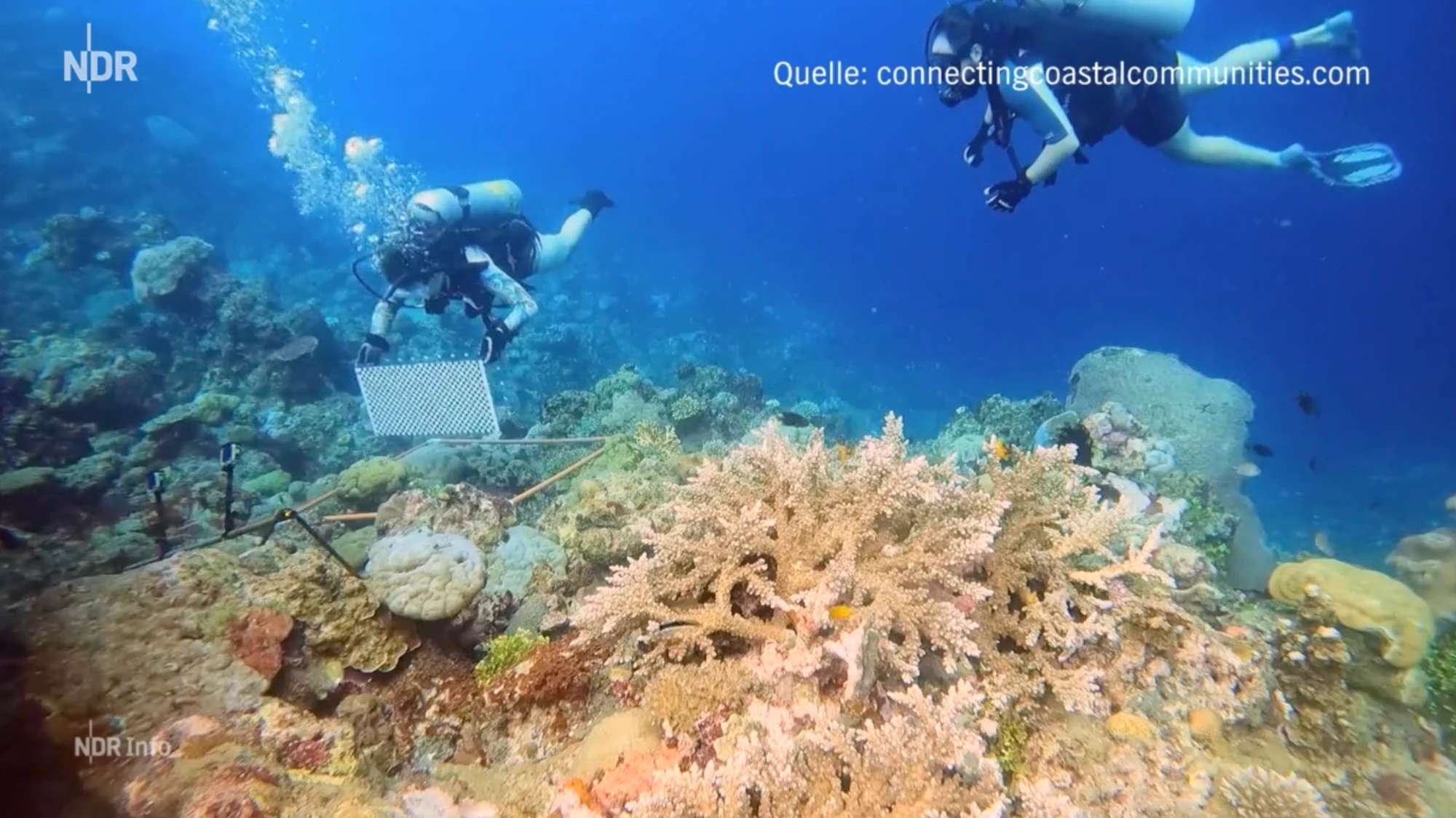
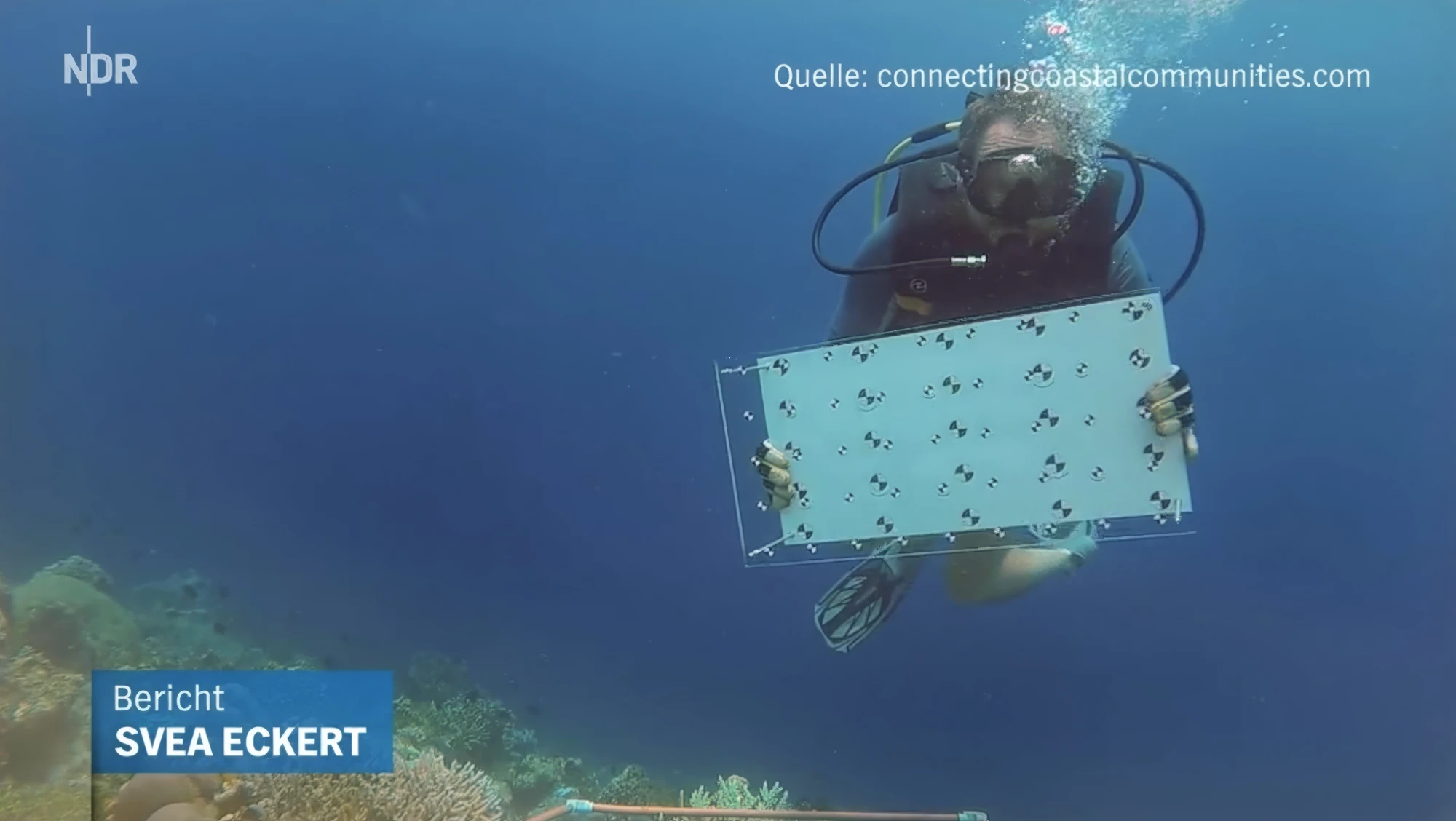
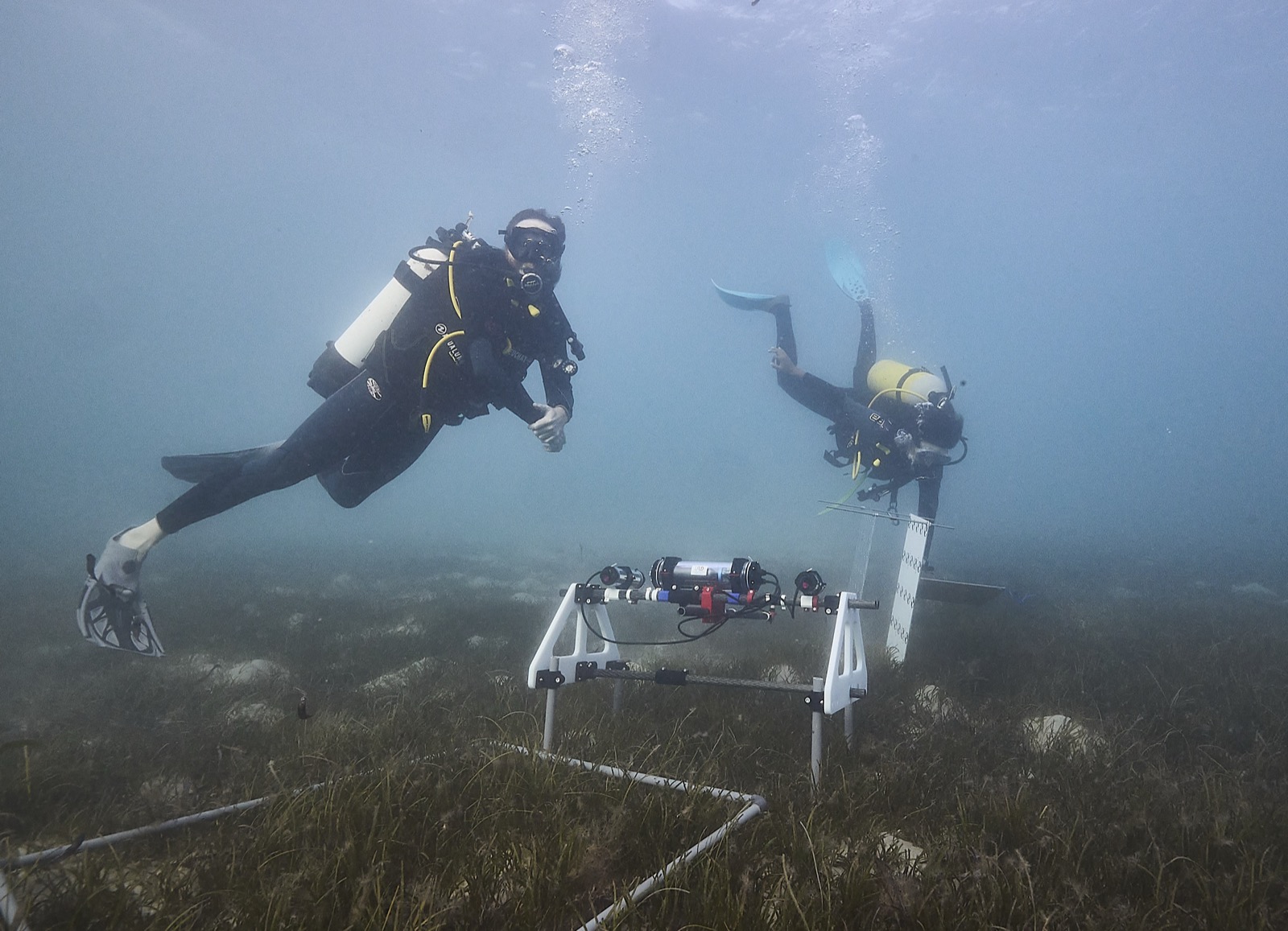
Stereo-video and AI tracking reveal how fish move in three dimensions. Movement-derived acceleration, body size, and physiological scaling let us infer a metabolic-rate index for fish on the reef.
Read the research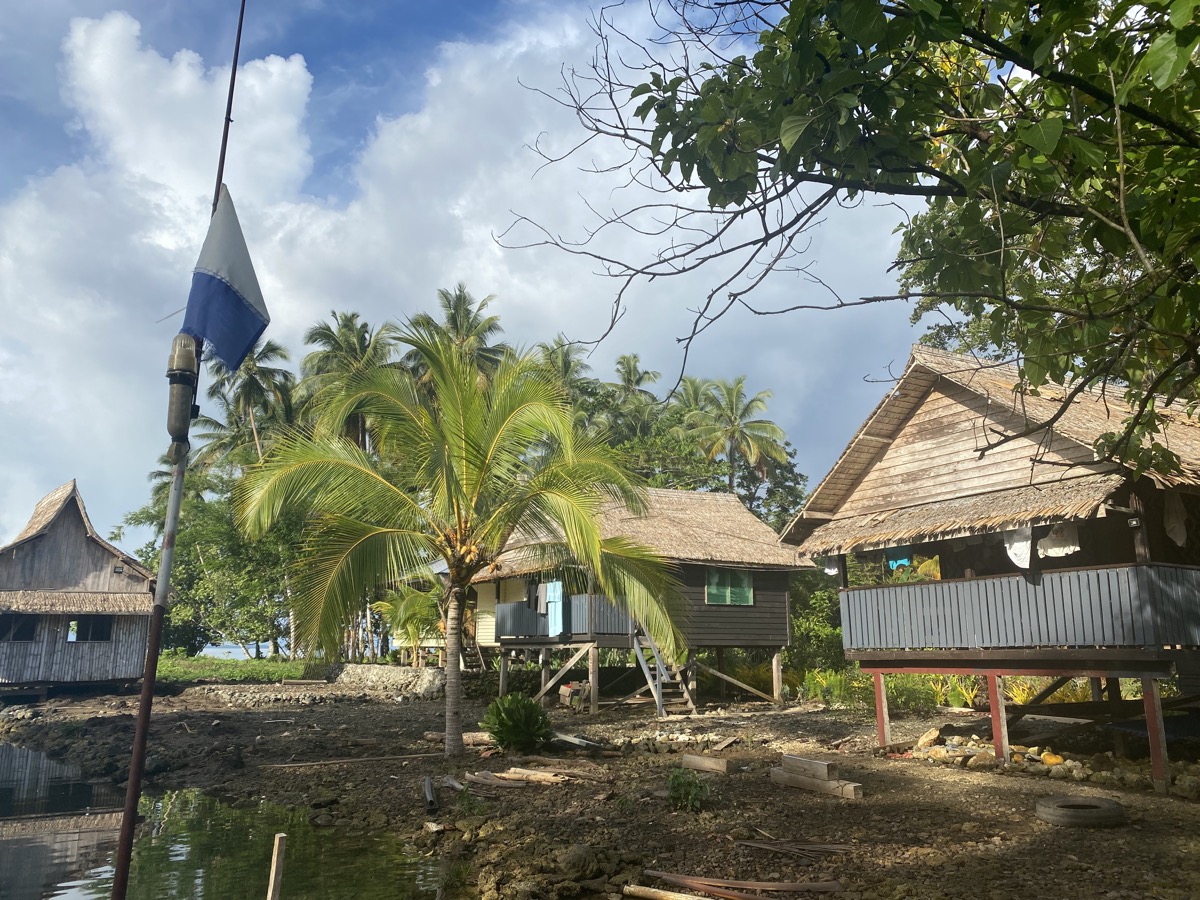 Watch project film
COMMUNITY RESEARCH / SOLOMON ISLANDS
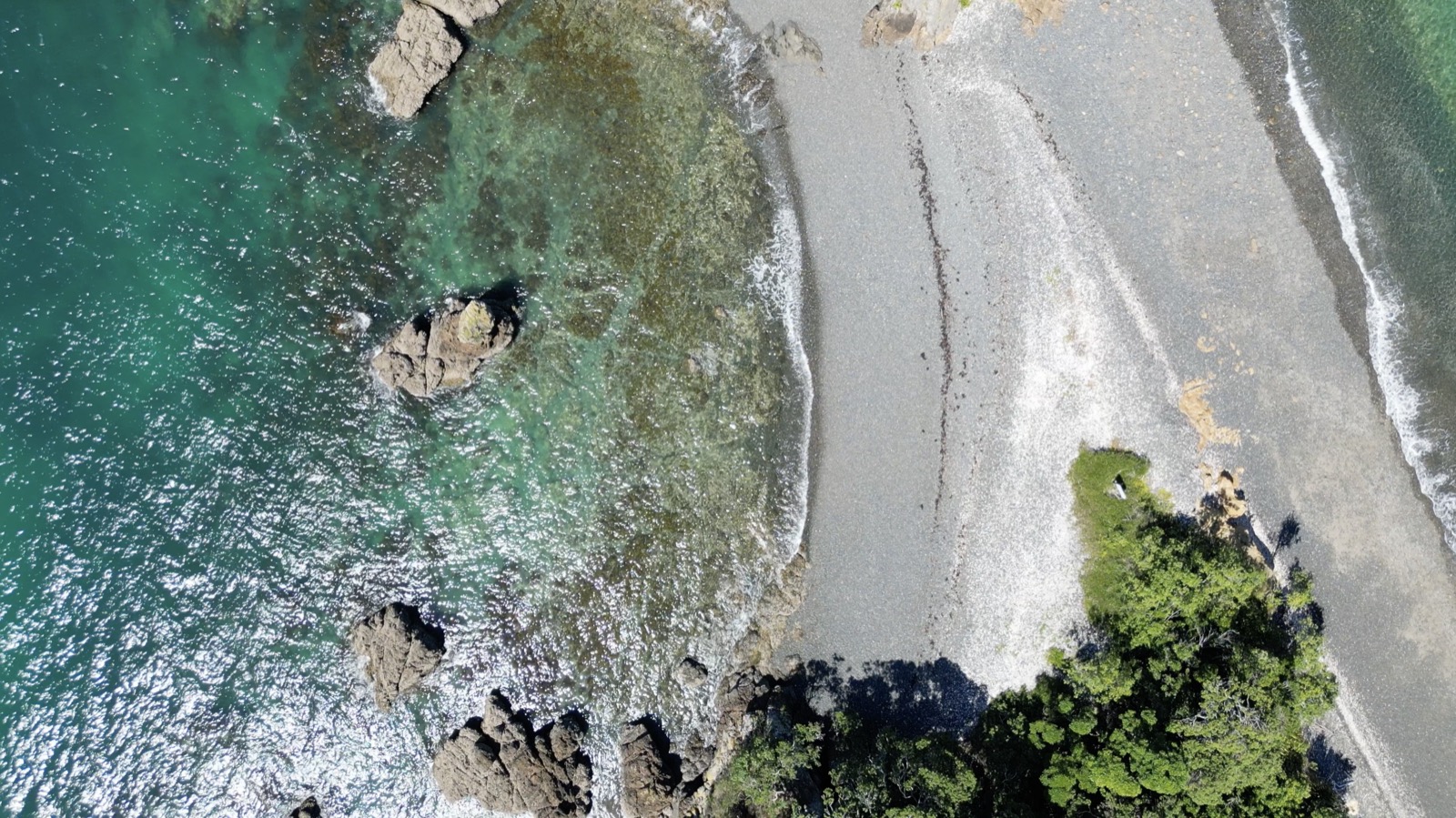
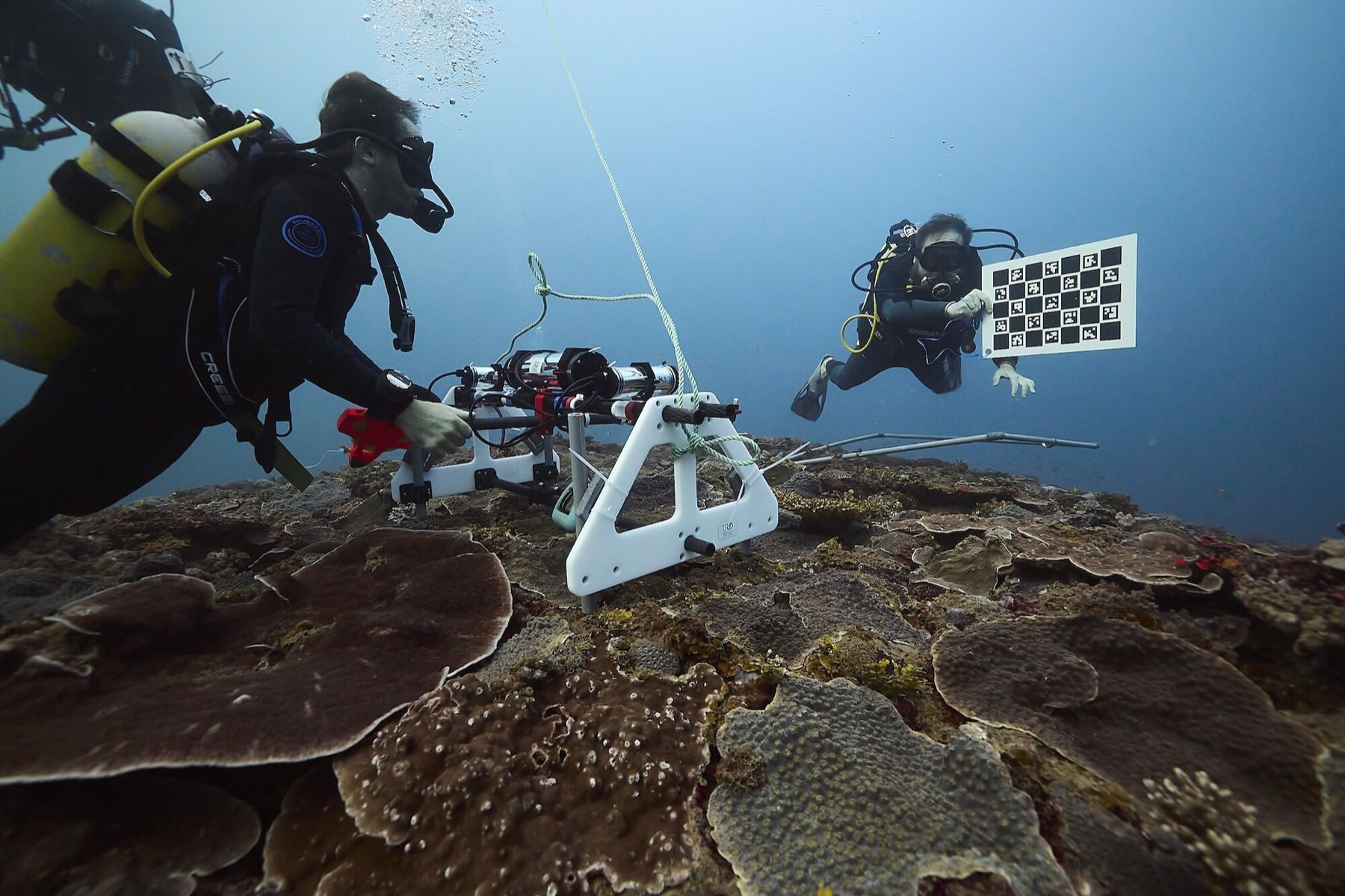
Connecting Pacific communities with their coastal environments through research, monitoring, and engagement. In Vavanga, Solomon Islands, stereo-video and drone mapping help investigate how turbidity affects reef fish and establish a baseline for long-term monitoring.
 Watch project film
SHIFTING BASELINES / AOTEAROA NEW ZEALAND
Reconstructing past fish behaviour to understand ecological change. Research on snapper reveals the Industrial Revolution as a tipping point in a much longer human–marine story.
NEW ZEALAND SNAPPER / HAURAKI GULF, NEW ZEALAND / HABITAT HISTORY
Young New Zealand snapper use shallow estuaries as nursery grounds, where structured habitats such as seagrass can offer shelter and feeding opportunities before they move into deeper harbour and coastal waters.
About juvenile snapper ecologyREADING THE OTOLITH
Otoliths are small, hard structures in a fish’s inner ear. They grow with the fish, adding layers that hold chemical clues about the water it lived in—like a diary of its life.
We use a laser to sample these layers from the centre to the edge. Two elements, strontium and barium, help us tell whether a fish lived in rivers, estuaries or the sea. As the laser moves, the coloured bars below reveal that history at the same point in the record.
AL Long Bay, 1430–1485 · AO Omaha, 1530–1640 · MO Omaha, 2016 · ML Long Bay, 2020.
Bars show assemblage habitat proportions (%). The life-stage artwork and habitat comparison are schematic. Otolith distance is not a calibrated age or body-size scale. Measurements start at 20.8 µm; the birth origin at 0 µm has no habitat assignment.
CHANGING EARLY LIFE HISTORIES
Snapper from archaeological sites show a more shared pattern: many spent their early lives in sheltered estuary nurseries before moving out to sea. Today’s fish show less consistent nursery use and more varied movements between habitats. Some appear to stay in the sea throughout.
These differences suggest that changes to estuaries—including murkier water—may have changed how young snapper grow up. The animation above brings these patterns to life; the coloured bars show the habitat proportions measured in the otolith records.
Read the research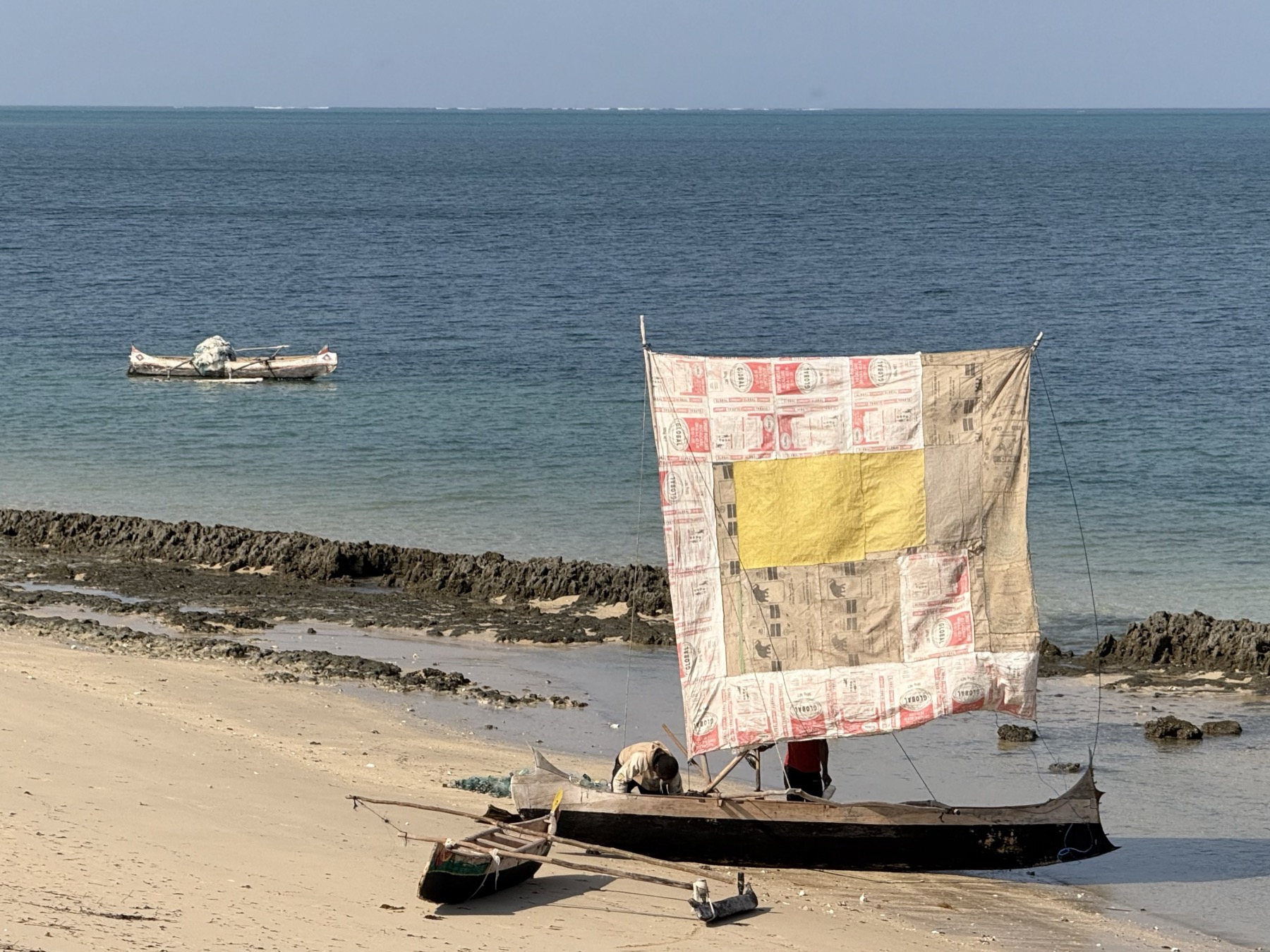 Watch project film
CORAL REEF MONITORING / MADAGASCAR
In Ranobe Bay, southwest Madagascar, heavy fishing pressure makes understanding reef recovery especially urgent. Working alongside Malagasy researchers and fishing communities, the project brings together coral recruitment studies, fish monitoring, and stereo-video observations of grazing.
My contribution develops AI fish tracking that can work across different reef settings. Reconstructing movement in 3D helps us infer foraging behaviour and energy expenditure, with the aim of supporting locally led reef monitoring and ecosystem management.
TINY REEF FISH / BOCAS DEL TORO, PANAMA
Why can a tiny goby contribute so much to the productivity of a reef fish community? At the Smithsonian Tropical Research Institute in Bocas del Toro, Panama, FiMeR-Crypto investigates whether these small fish have unusually high metabolic rates—or whether their productivity has another explanation.
The project pairs laboratory measurements of oxygen consumption with calibrated stereo-video in the field. Tracking Coryphopterus personatus in 3D links swimming speed and acceleration to metabolism, helping us infer energy expenditure on the reef. Manual annotations guide the development of AI tracking for these tiny, schooling fish.
Project film in production.
RESPONSIBLE AI / SELECTED PUBLICATIONS
Read the paper
2023 · ECOLOGY LETTERSLegal and ethical considerations for AI training in ecology

COMMUNITY SCIENCE / INATURALIST
Your identifications help train our fish identification algorithm.
CURIOUS IN THE FIELD. CURIOUS IN THE DATA.
FILMS, TALKS & PUBLIC CONVERSATIONS
Ideas from the reef, the research, and the conversations around it.
Using unsupervised analysis of 3D fish movements to detect early signs of functional reef stress along a turbidity gradient in the Solomon Islands.
Combining stereo-video and AI tracking to map the energetic demands of reef fish, with responsible sourcing and use of training data.
A discussion I edited on data management and environmental sustainability.
New perspectives on coral reef fish ecology through artificial intelligence.
An article with a radio snippet about Bremen scientists using AI in marine research.
IN THE NEWS
Stories about fish, changing oceans, artificial intelligence, and the people behind the science.
Clicking the preview consents to loading this video from Google/YouTube. Your IP address and device data are shared; cookies or similar storage may be used and data may be processed in the USA. Optional. Privacy details.
SNAPPER / SCIENCE COMMUNICATION
Explore my research on snapper and shifting ecological baselines.
NZ Herald Science shows when things turned bad for the Hauraki Gulf’s snapper (26.01.2025)
Interview in divemaster – Das Fachmagazin für die Hydrosphäre KI im Riff (01/2025)
German Press Agency (dpa) Meldung “Mit Künstlicher Intelligenz Tiere besser schützen” (04.10.2024) (published in 150+ national and international News outlets) e.g.:
earth.com AI illuminates fish interactions in coral reefs (31.08.2024)
eco Magazine AI Allows for High-Resolution 3D Tracking of Coral Reef Fish (30.08.2024)
buten un binnen Wie Bremer Forscher mit Künstlicher Intelligenz dem Meer helfen (15.02.2026)
Featuring my advocacy for improved working conditions in German academia (#IchBinHanna):
Tagesschau at 20:00
buten un binnen
tagesschau.de Neues Gesetz geplant - Aufstand der Wissenschaftler (30.03.2023)
buten un binnen Bremer Forscher fordern mehr Dauerstellen für Wissenschaftler (01.03.2026)
NZ Herald Ancient insights: how the Gulf's snapper lost crucial nurseries (17.10.2021)
Deutschlandfunk Nova Scaring Nemo – Besuch ängstigt manche Clown-Fische (14.09.2020)
Bild der Wissenschaft Stören Schnorchler Clownfische? (14.09.2020)
LET’S CONNECT THE DOTS
Interested in marine ecology, AI, or collaborative ocean research? Let’s start a conversation.